Top 3 Innovations Transforming Dental Patient Care in 2025
by Prisma Clinic Marbella, Clinical team
1. Pain-Free Dentistry: How Modern Techniques Eliminate Dental Anxiety
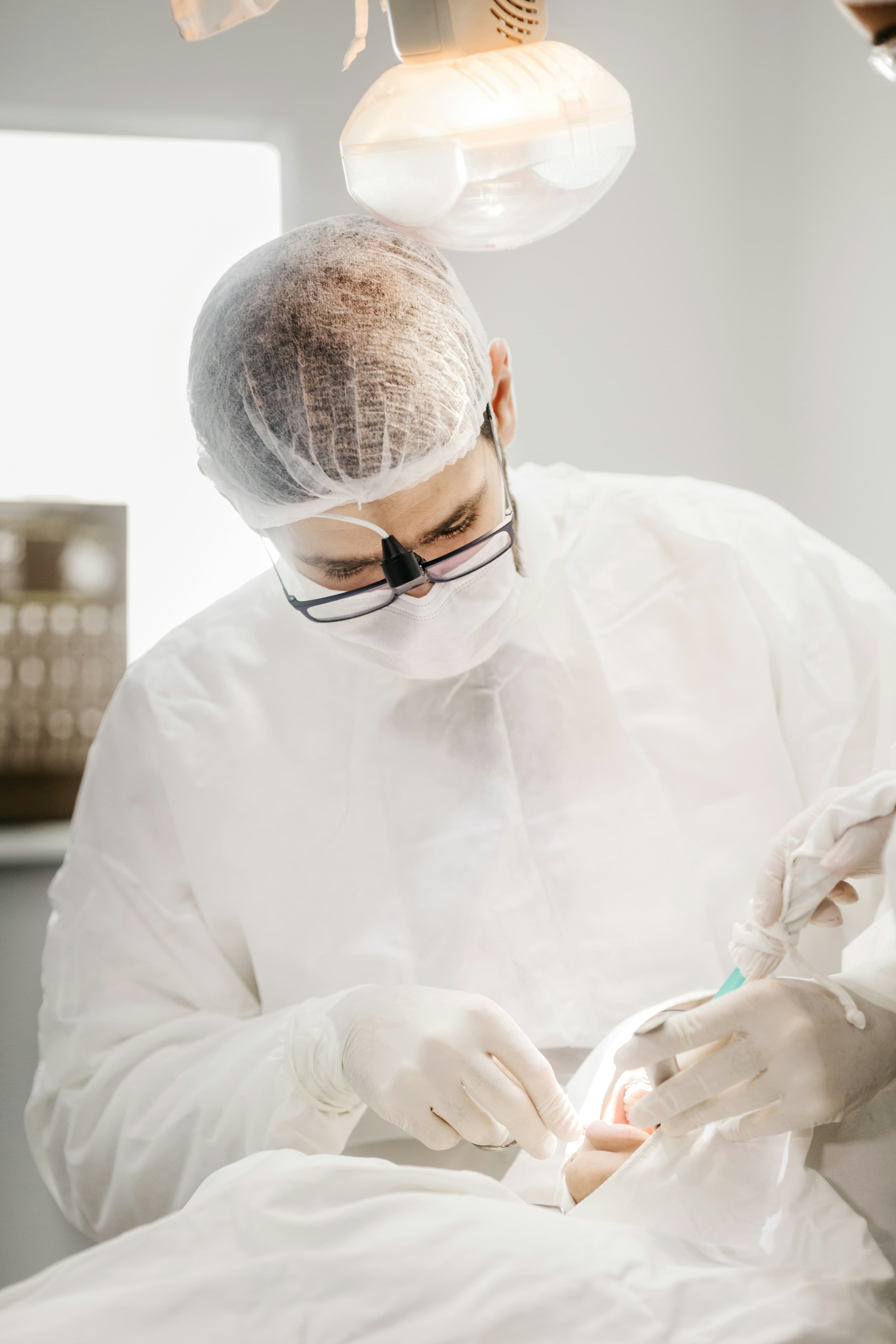
Dental anxiety affects nearly 60% of patients, with many avoiding necessary treatment due to fear of pain. At our practice, we've implemented several breakthrough techniques that have transformed the experience for even our most anxious patients.
The CompuDent™ system delivers computer-controlled local anesthesia with minimal discomfort, while topical gel compounds effectively numb tissue before injections. For patients with severe anxiety, options like nitrous oxide sedation and oral conscious sedation provide relaxation without full unconsciousness.
Top tip
If you experience dental anxiety, inform your dentist before your appointment. Many dental practices now offer anxiety management techniques, including gradual exposure therapy and distraction tools like noise-canceling headphones or virtual reality headsets.
2. Same-Day Dental Restorations: CEREC Technology Explained
Traditional dental crowns typically require multiple appointments spread over several weeks. However, CEREC (Chairside Economical Restoration of Esthetic Ceramics) technology has revolutionized this process, allowing for same-day crown placement.
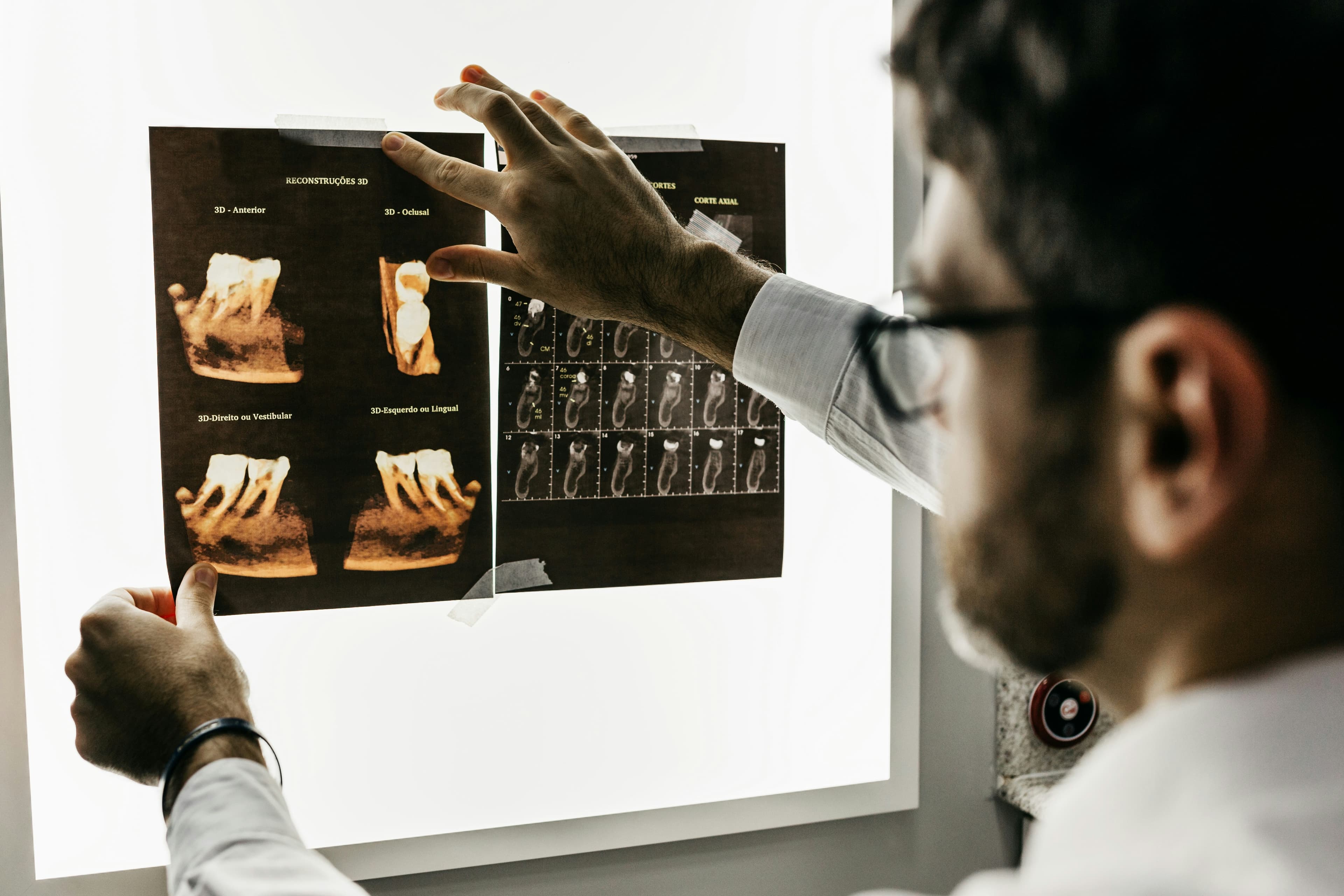
Using advanced 3D imaging, our digital scanner creates a precise model of your tooth, eliminating the need for uncomfortable impression materials. The onsite milling unit then crafts your custom ceramic restoration while you wait, typically in under an hour. The result is a durable, natural-looking crown that's bonded immediately—no temporary crowns or follow-up appointments needed.
Patients not only save time with fewer appointments but also benefit from more precise fits, reduced sensitivity, and restorations that can last 10-15 years with proper care.
3. Preventive Care Revolution: Early Detection Technologies
The most effective dental treatment is prevention, and today's diagnostic tools can identify potential issues before they become painful or expensive problems.
Digital x-rays now use up to 90% less radiation than traditional films while providing enhanced images that can be magnified and analyzed instantly. Intraoral cameras allow patients to see exactly what the dentist sees, improving understanding and treatment acceptance.
Perhaps most exciting is the development of laser cavity detection systems that can identify decay in its earliest stages—often before it's visible on x-rays. These systems, like DIAGNOdent, use fluorescent light to detect microscopic changes in tooth structure, allowing for minimally invasive treatments that preserve more healthy tooth structure.
When combined with professional cleanings every six months and proper home care, these preventive technologies have helped our patients reduce their need for major dental work by up to 60%.